Key takeaways
- A sump pump collects water in a pit and sends it out through a discharge line.
- A float switch starts the pump when the water rises.
- Test your pump a few times a year.
- A battery backup protects you when storms cut power.
How a sump pump works
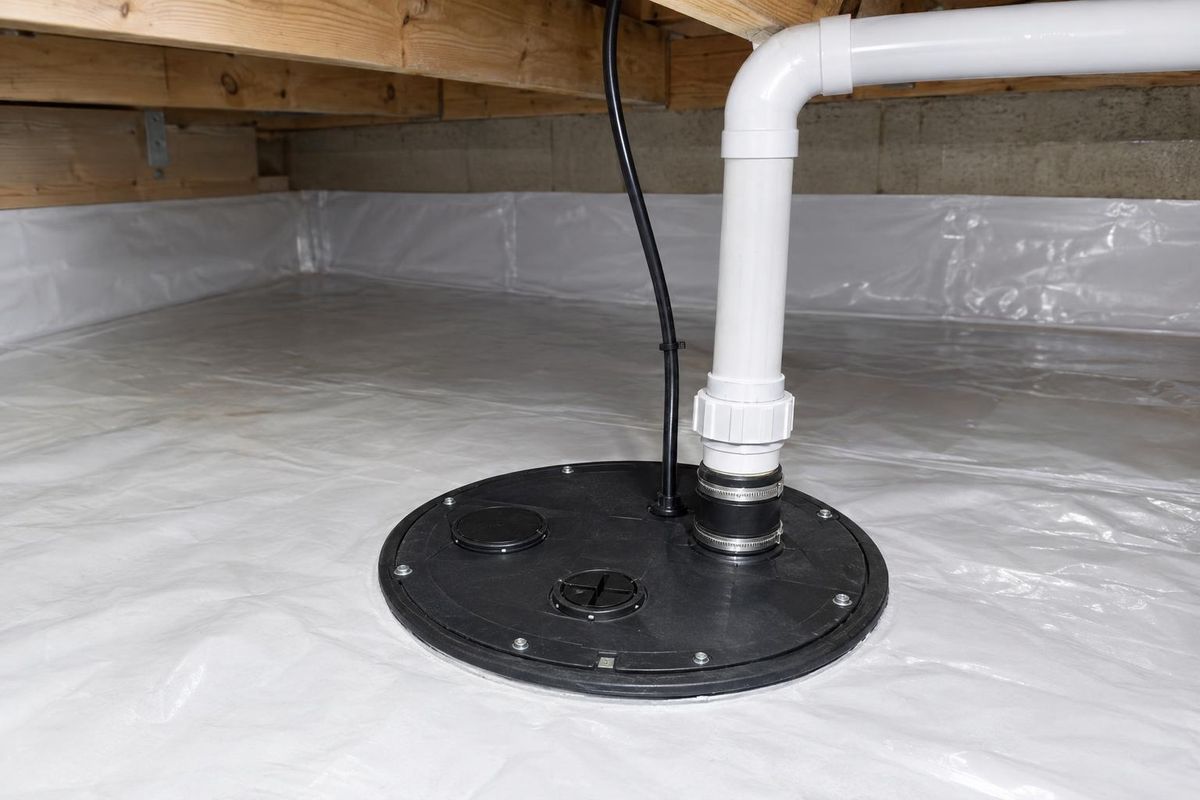
Water collects in a pit, usually fed by a drain along the footing. When it rises to a certain level, a float switch starts the pump, which pushes water up a pipe and out of the house.
A check valve keeps water from flowing back into the pit, and a sealed lid keeps humid air from rising out of it.
When you need one
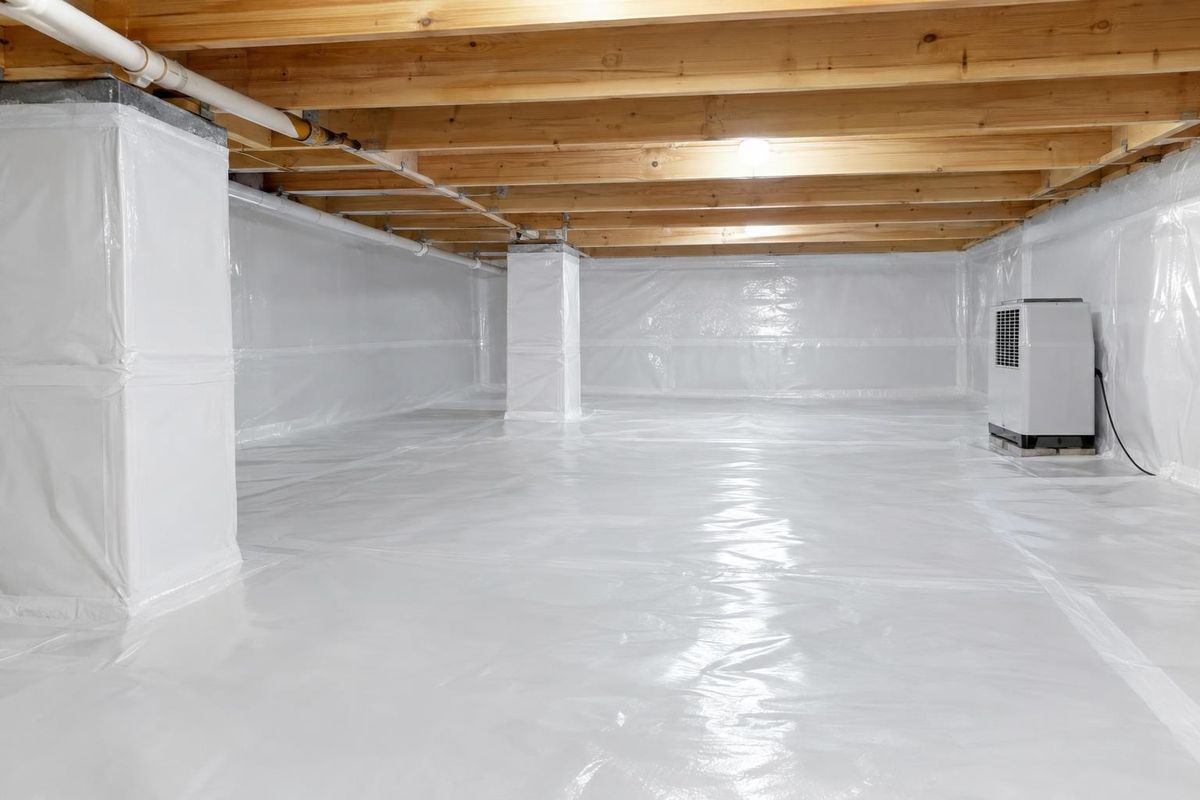
If water collects in your crawl space or basement, a sump pump is often the most dependable solution. It is also common in homes with a high water table or lots that slope toward the house.
Where water only enters during rare storms, gutter and grading fixes may be enough.
Testing and maintenance
Slowly pour water into the pit and watch for the float to lift and the pump to start and move the water out. Clear debris from the pit and check that the discharge line is clear and free of ice.
Pumps wear out, and noise, constant running or failure to start are signs it is time for a replacement.
Backups and alarms
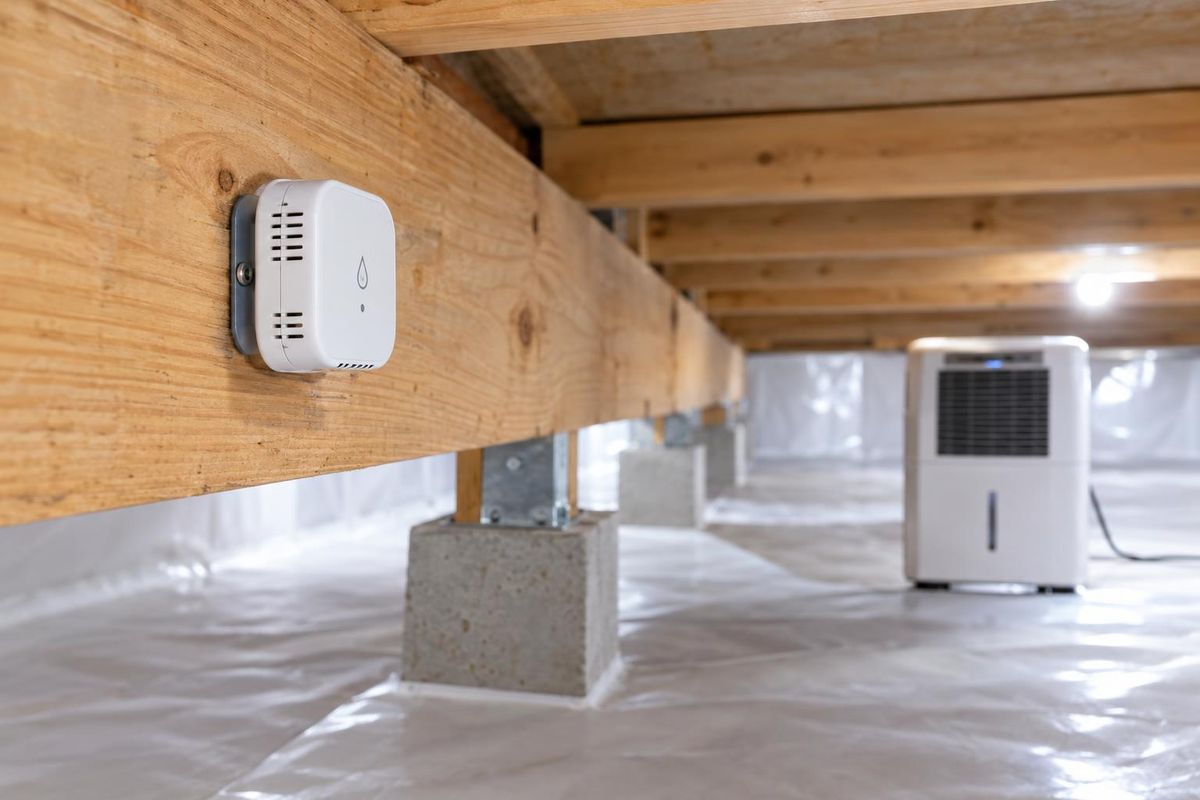
Storms often cut power, so a battery backup pump is a good idea where water is a risk. A water alarm gives early warning if levels rise.
Both add protection for the times you are not home to notice.
Quick answers
Where should the discharge line go?
Away from the house and onto ground that slopes away, or into a storm drain where permitted.
How often should I test my pump?
A few times a year, and before the rainy season.
Why does my pump run constantly?
It could mean a high water table, a stuck float, a failed check valve or a pump that is too small. An inspection finds the cause.