Key takeaways
- Vented crawl spaces are insulated at the floor above.
- Sealed crawl spaces are insulated at the walls.
- Moisture control matters as much as the insulation.
- Closed-cell foam and rigid board resist moisture better than fiberglass.
Insulating the floor
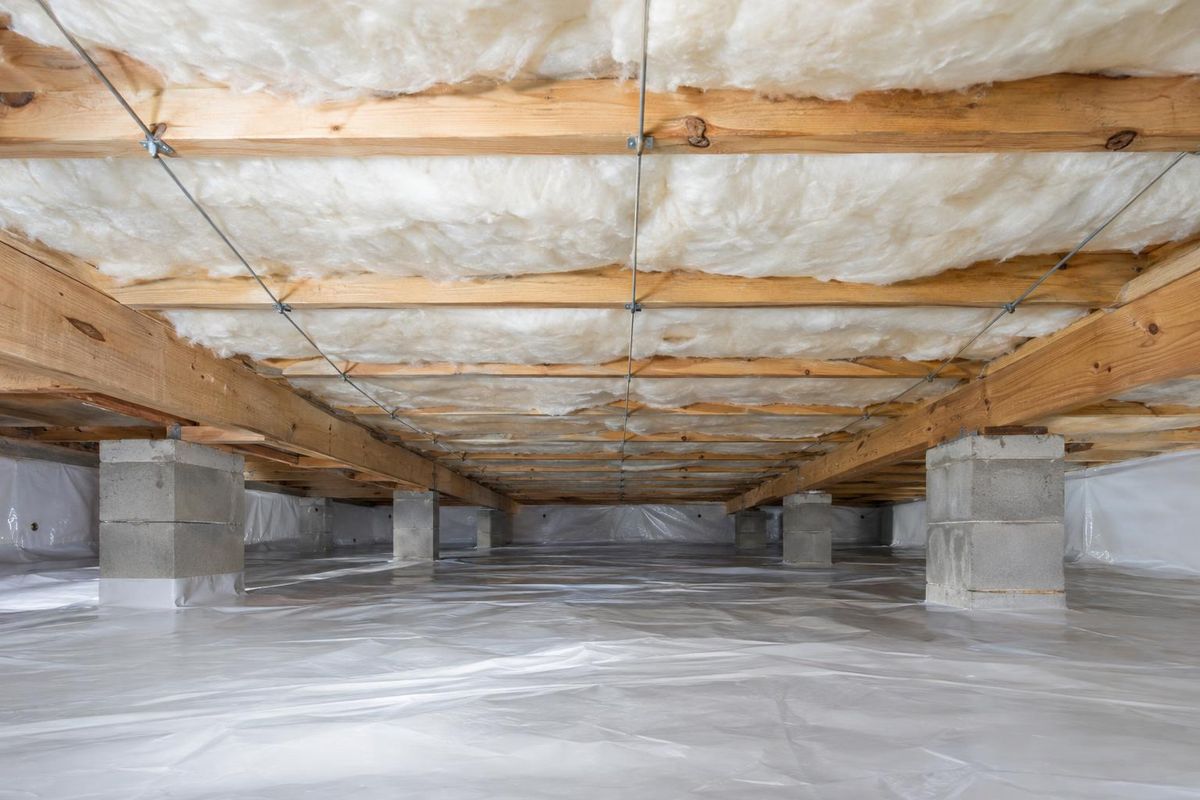
In a vented crawl space, the crawl space is treated as outside, so the floor above it is the barrier between the house and the cold air. Batts held up with supports, or foam sprayed under the subfloor, are the usual choices.
The weak point is moisture: damp air can soak batts and pull them down.
Insulating the walls
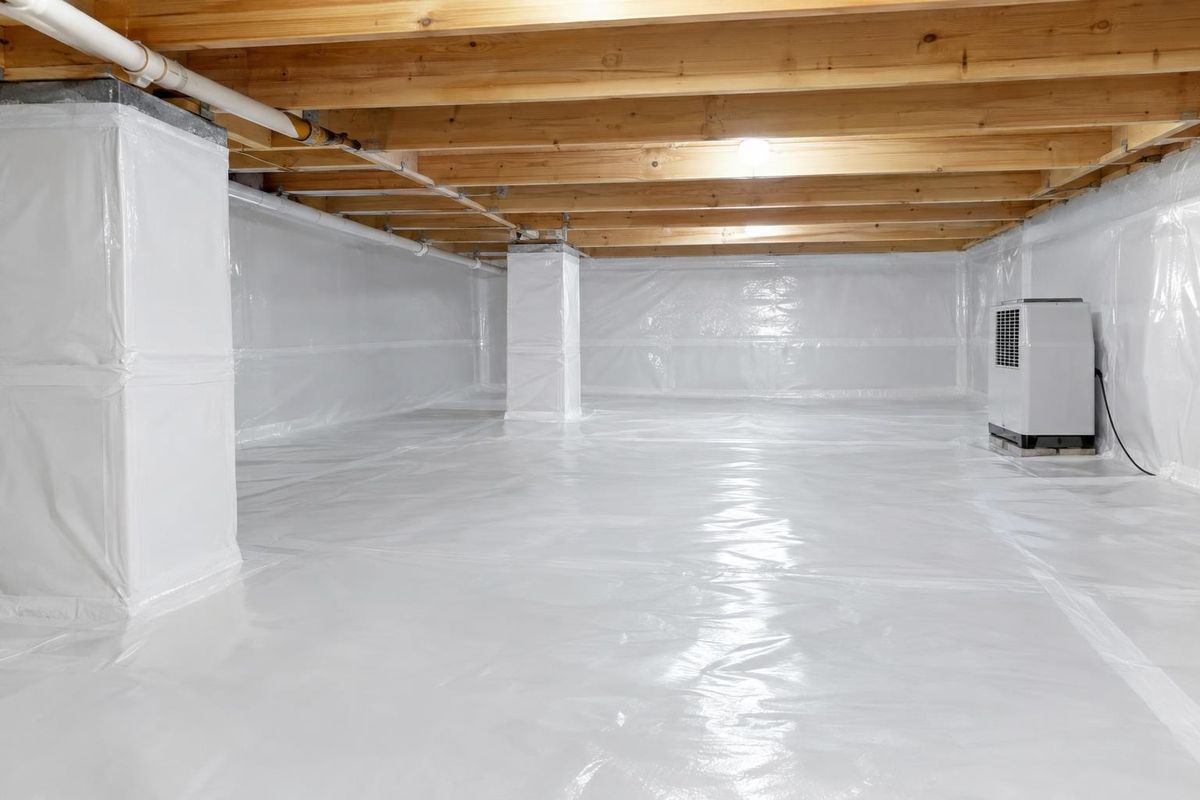
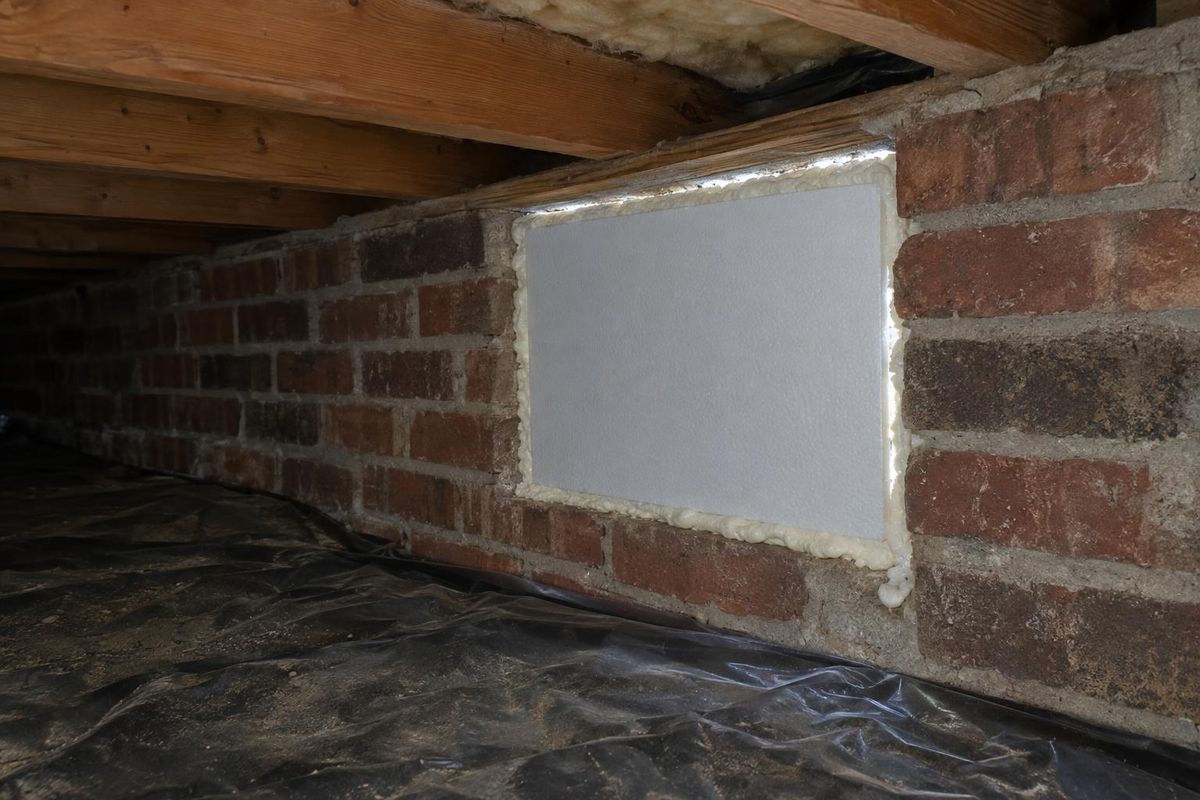
In a sealed crawl space, the walls and rim joist are insulated instead, and the floor above is left uninsulated so the space is part of the home's conditioned envelope. Rigid foam board or spray foam are common.
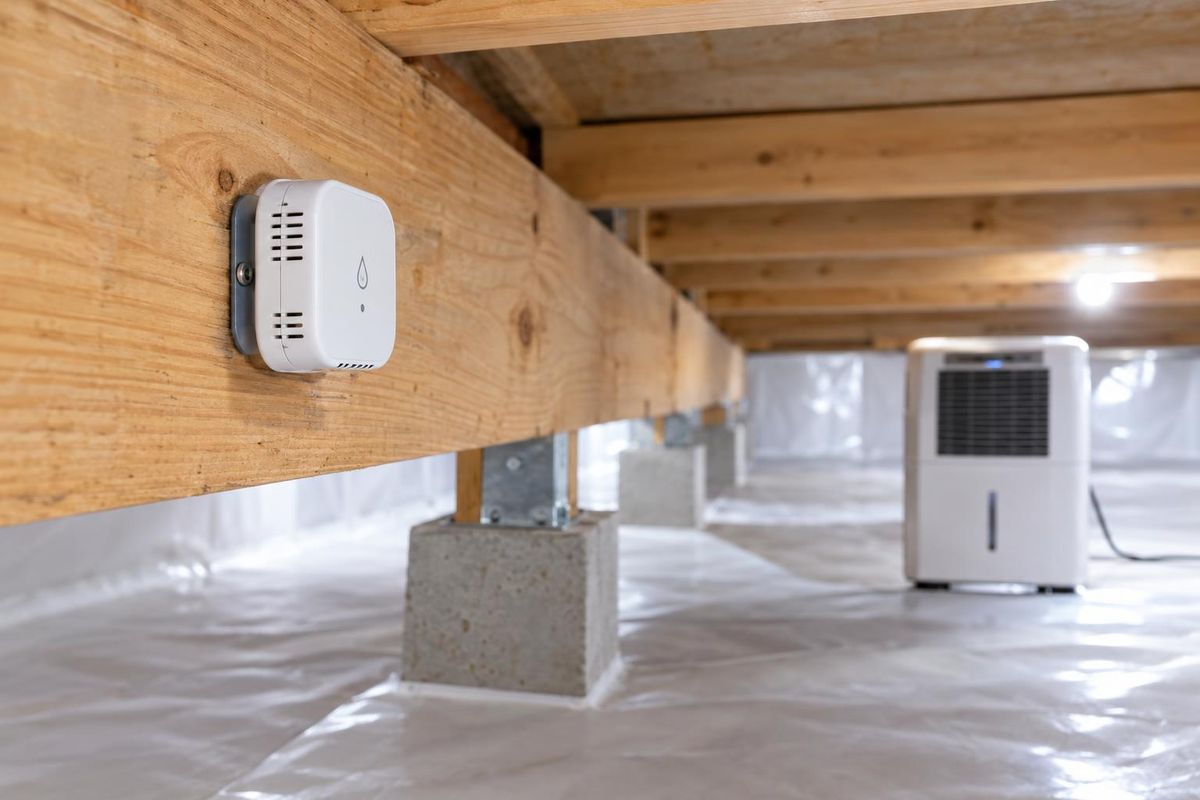
Pairing wall insulation with a liner, sealed vents and humidity control gives the most stable results.
Choosing the material
Fiberglass is common and easy to install but absorbs moisture. Closed-cell spray foam and rigid foam board resist it and also seal air leaks. Mineral wool resists moisture and fire, though it needs careful support.
The right choice depends on the moisture, the access and your goals.
Common mistakes
Insulating over a wet crawl space, leaving gaps at the rim joist and covering up leaks or plumbing issues are the biggest ones. Ducts and pipes also need attention.
Doing the sealing and moisture work first helps any insulation last.
Quick answers
Do I need both floor and wall insulation?
No. Choose one approach for your type of crawl space.
Is spray foam worth it?
In a damp crawl space, it often is, because it insulates, seals air and resists moisture.
Can I add insulation myself?
Batts can be added by a handy homeowner, though working in a crawl space is demanding and moisture should be handled first.