Key takeaways
- Wear protection, bring a good light and tell someone before you go in.
- Look at the ground, the insulation, the framing, ducts and pipes.
- Never enter a space with standing water, a strong odor or a gas leak.
- Photos make it easy to share what you see.
Before you go in
Wear long sleeves, gloves, a mask rated for dust, knee pads and a head covering, and bring a bright light and a phone for photos. Tell someone where you are and keep your phone with you.
If you smell gas or sewage, see standing water around electrical equipment or see signs of animals, stay out and call for help.
What to look at
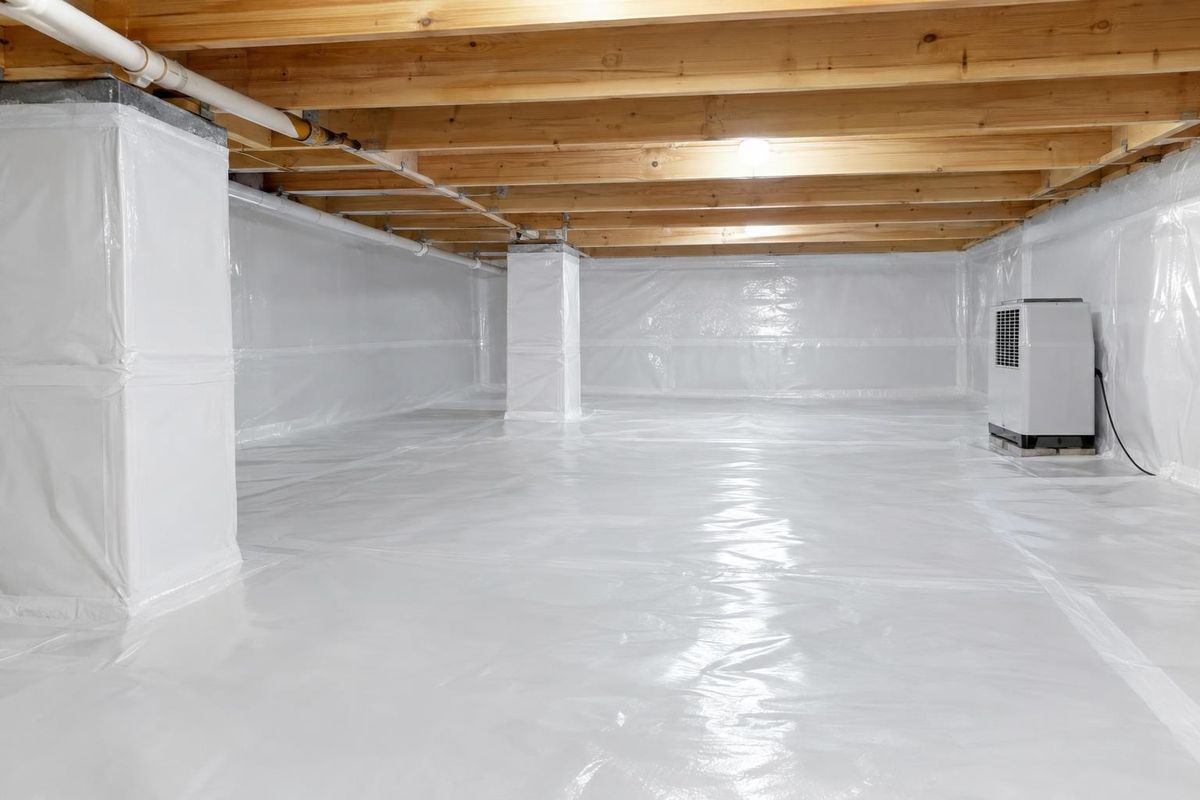
Check the ground for wet spots, standing water and torn plastic. Look up at the insulation for sagging or stains, and at joists and the subfloor for dark patches, fuzz or soft wood. Look at ducts and pipes for sweating, rust and damage.
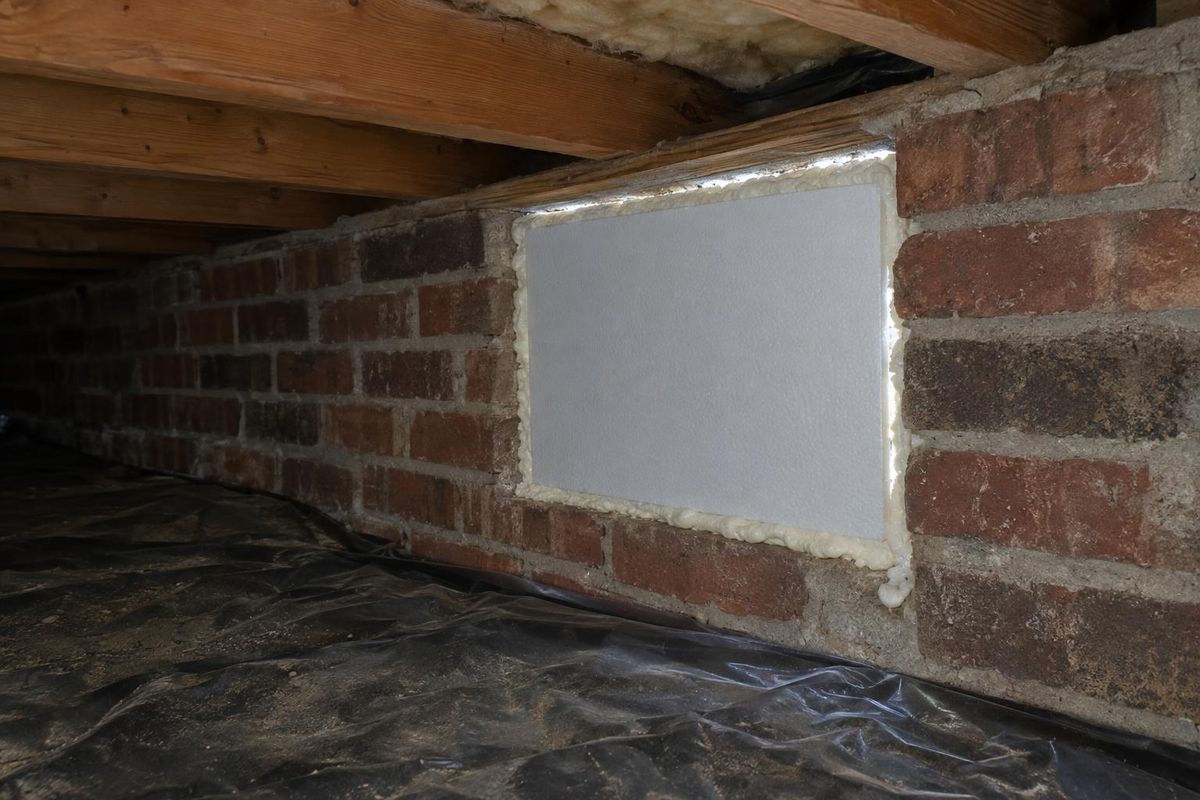
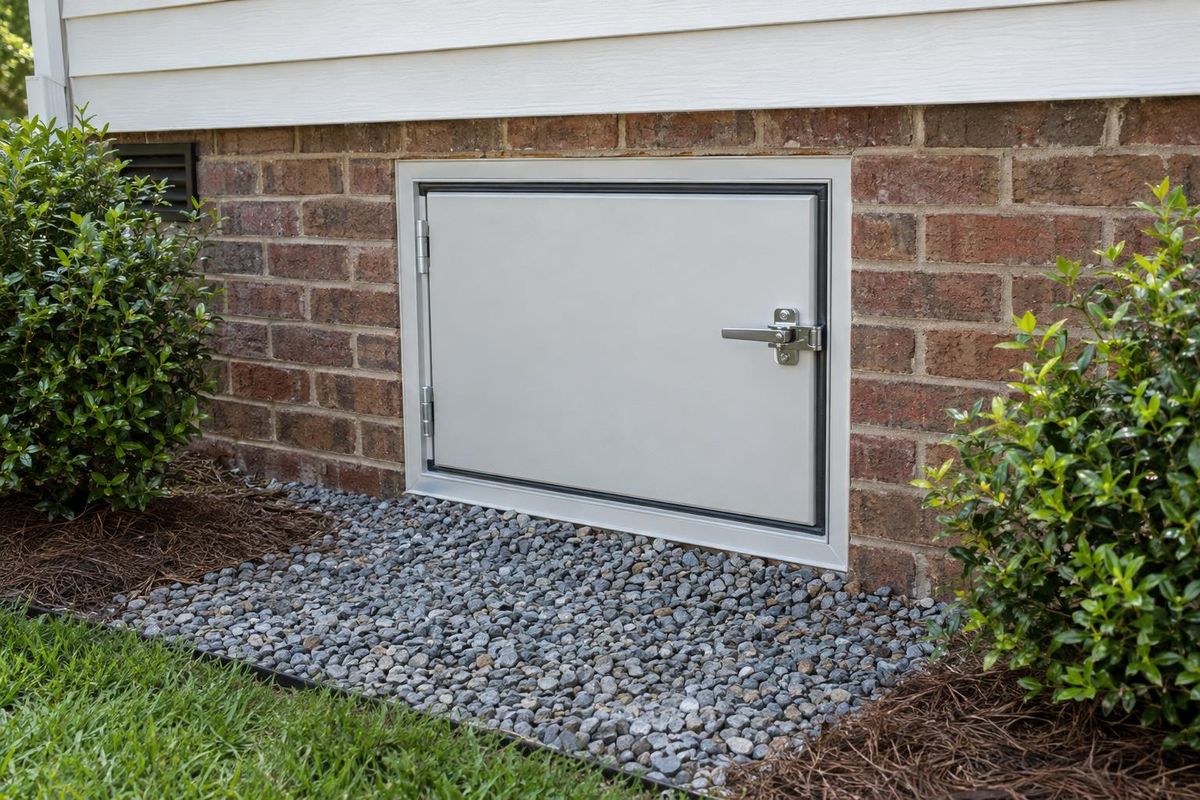
Note the vents and the access door and whether either lets in light or water.
What to photograph
Take wide shots of each area and close-ups of anything unusual. Include something for scale, such as a tape measure, and a sense of location, such as the nearest wall.
Photos help a contractor give better advice and give you a record to compare later.
When to call a professional
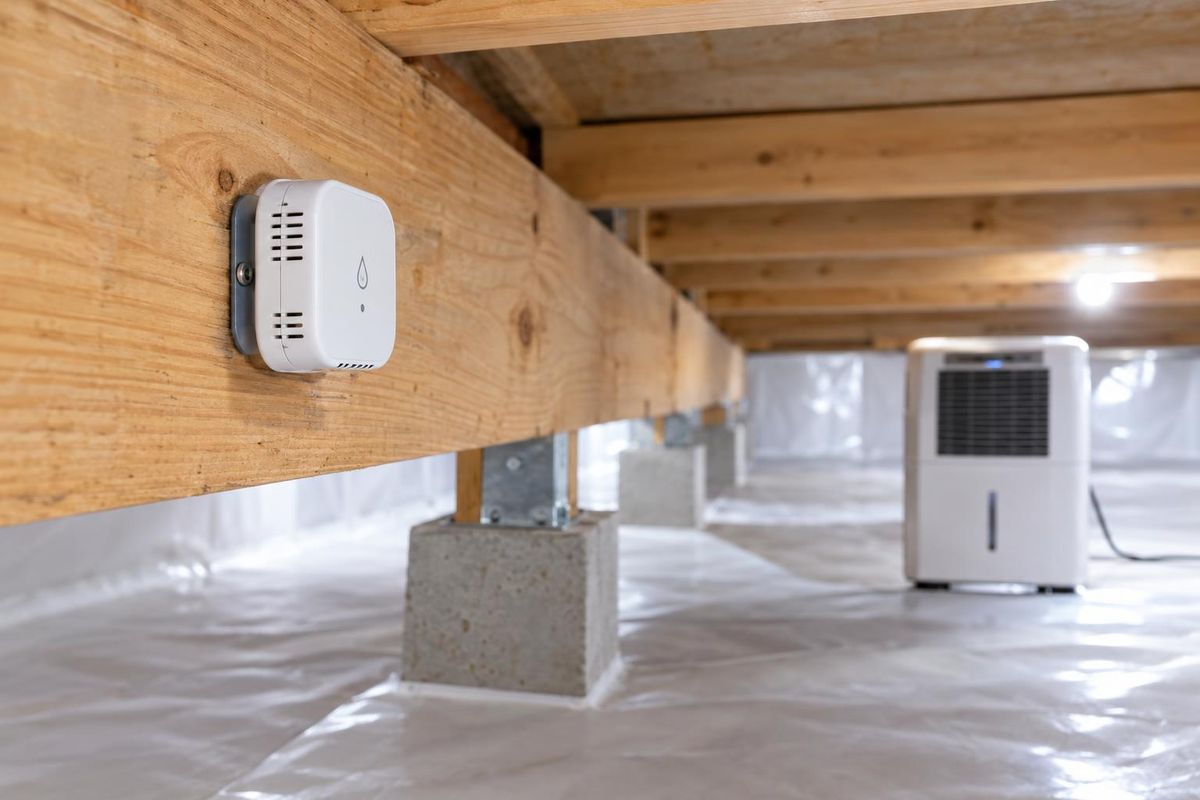
If you see standing water, mold, wet or sagging insulation, damaged framing or signs of animals, an inspection can tell you what matters most. Even a clean-looking space can hide high humidity, which readings reveal.
Crawl spaces are cramped, and the safest option is often to let a professional do the work.
Quick answers
Is it safe to go into a crawl space alone?
Take precautions and tell someone. For tight spaces, wet conditions or doubts, it is safer to call a pro.
What should I bring?
A bright light, a phone, gloves, a mask, knee pads and a tape measure are good starting points.
How often should I check?
Once or twice a year and after heavy rain, and any time you notice smells or soft floors.