Key takeaways
- A vapor barrier covers the soil and slows ground moisture.
- Encapsulation covers the ground and walls, seals seams and vents and controls humidity.
- Neither replaces drainage when liquid water is entering the space.
- The right choice depends on how wet the space is and how it is built.
What a vapor barrier does
A vapor barrier is a sheet of plastic or reinforced polyethylene laid over the soil. It slows the moisture that evaporates out of the ground, which in a crawl space can be a surprising amount over a humid summer.
It is a good first step and often a big improvement over bare dirt, but on its own it does not stop humid air from coming in through vents and gaps.
What encapsulation adds
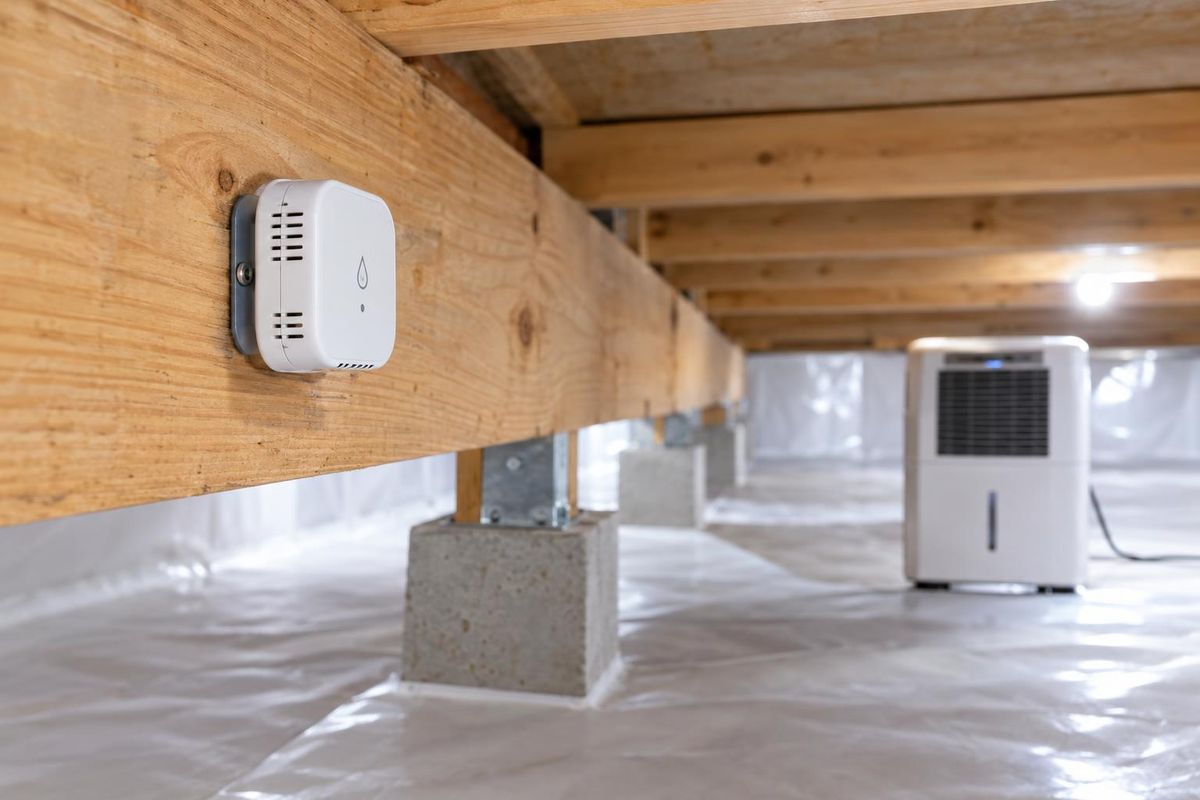
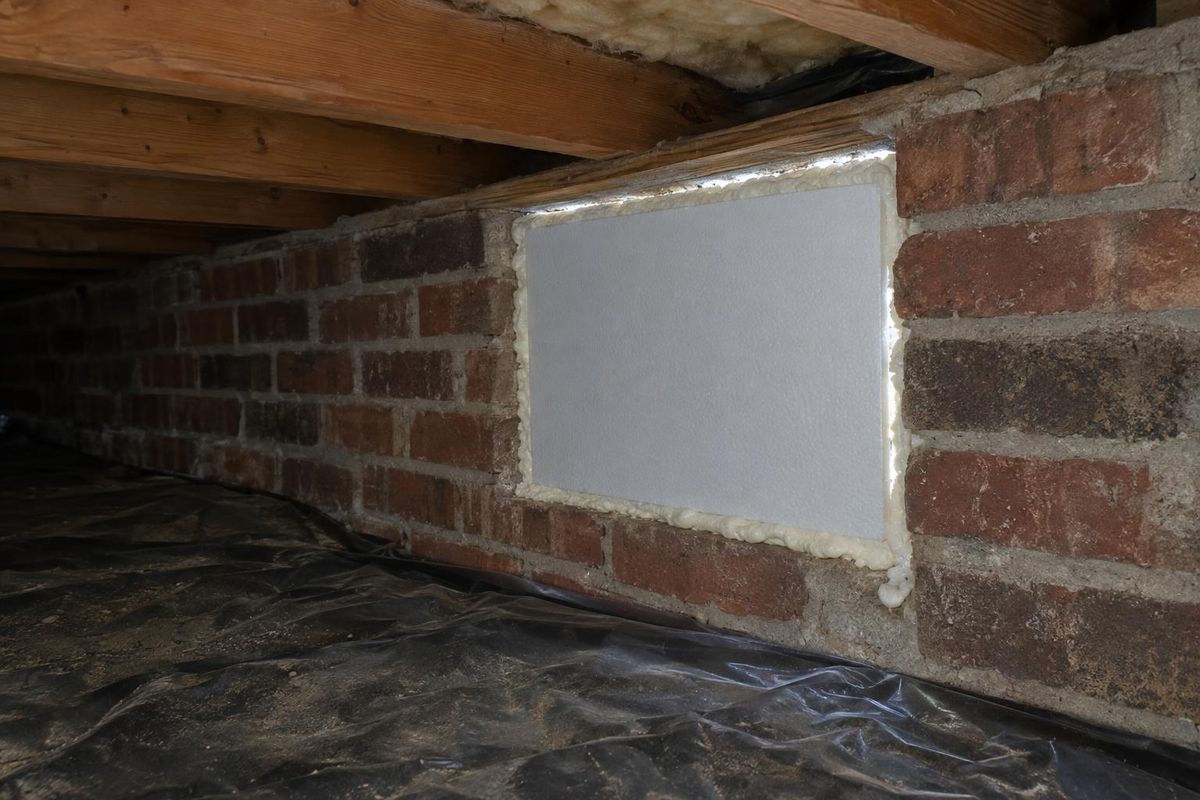
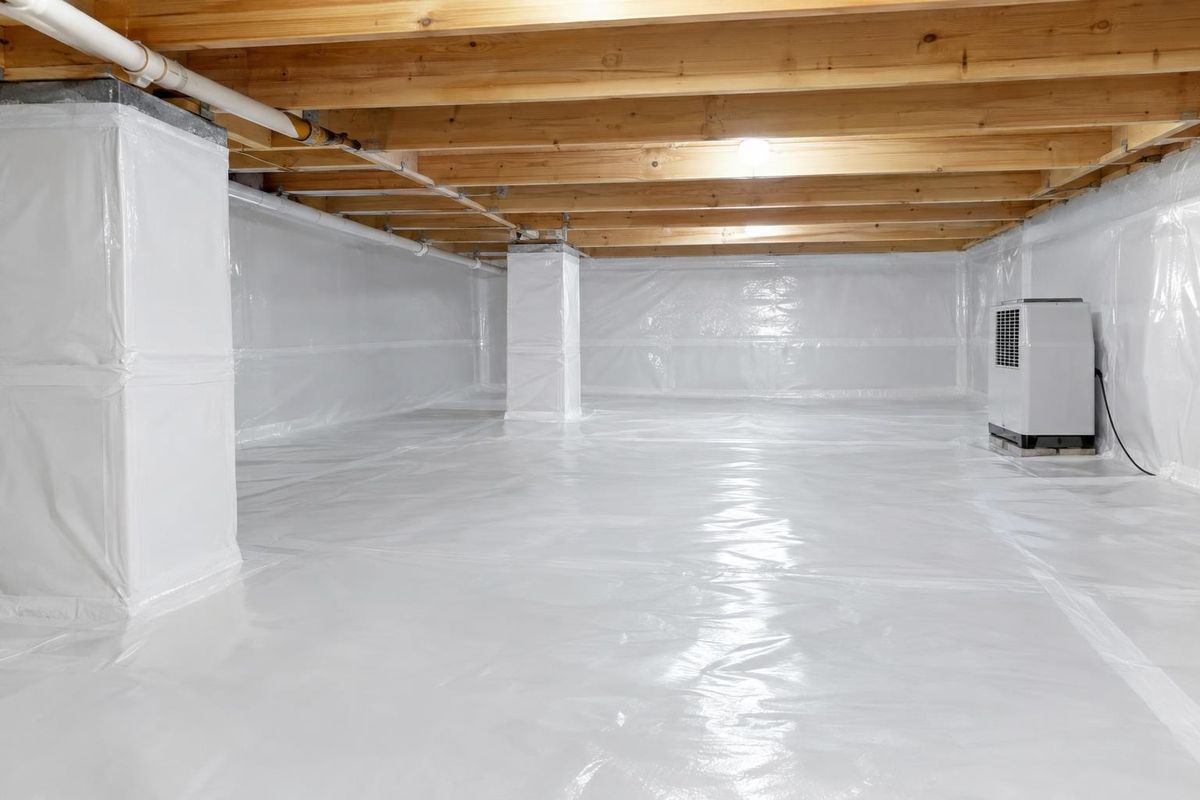
Encapsulation takes the barrier up the foundation walls and over the piers, tapes the seams, seals the vents and adds a way to control humidity, usually a dehumidifier. The result is a sealed space that does not swap air with the outdoors.
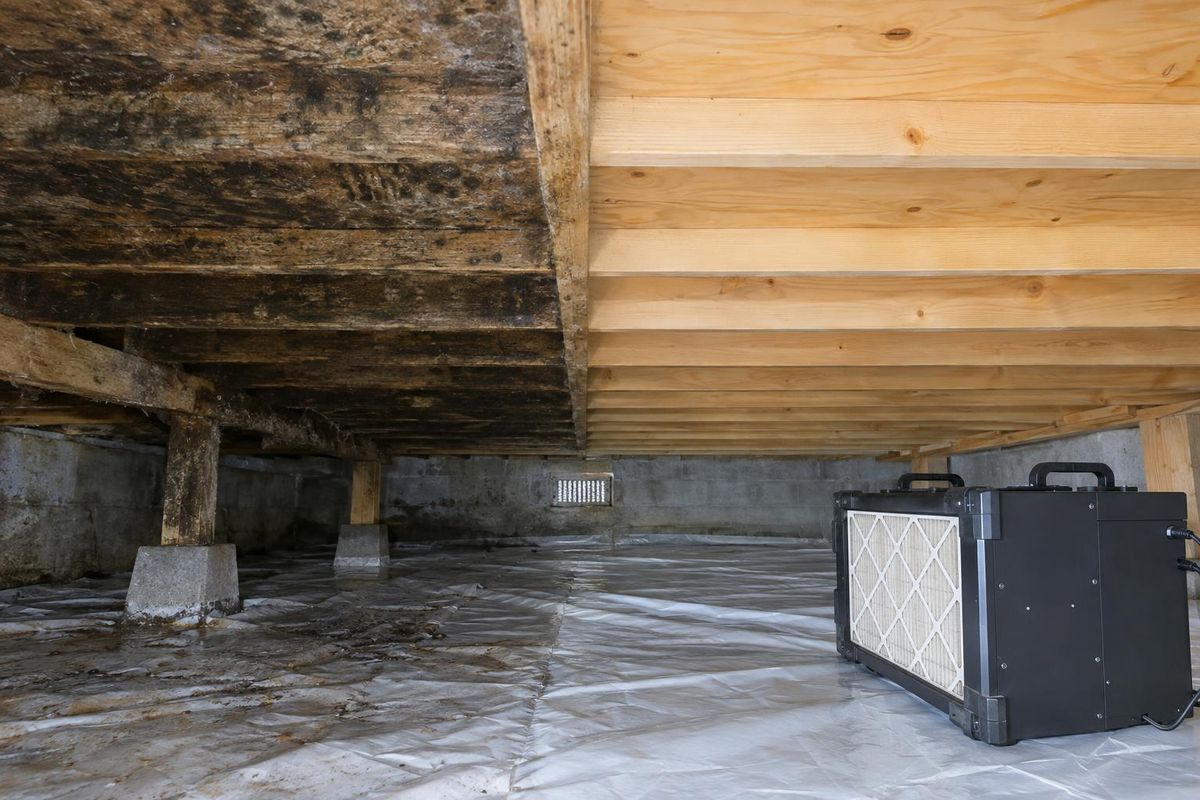
In Nashville and across Middle Tennessee, where summer air can be very humid, that sealing is often the difference between a space that stays damp and one that stays dry.
When drainage comes first
If water runs into your crawl space after storms, no liner will fix that on its own. Liquid water needs a place to go, such as a drain and a sump pump, or an exterior correction like gutters and grading.
A good contractor deals with water first, then moisture in the air, then the finishing materials.
How to decide
Look at how wet the space is, how much humidity you see and what the floors and air in the house feel like. A bare dirt floor and open vents point toward encapsulation, while a mostly dry space with torn plastic may only need a new barrier.
An inspection with moisture readings gives you the information to choose without guessing.
Quick answers
Is encapsulation worth it if my crawl space is only slightly damp?
Often yes, because slight dampness can still feed mold over time. A moisture reading and a visual check help you decide.
Can I install a vapor barrier myself?
Many homeowners can lay plastic, but sealing seams, walls and piers properly takes time and the right materials.
Do I need a dehumidifier with encapsulation?
Most sealed crawl spaces in Tennessee benefit from one because the soil and the house still add some moisture.