Key takeaways
- Air under the house rises into the living space through gaps.
- Moisture, mold, pests and soil gases can ride along with it.
- Sealing and drying the crawl space reduces what comes up.
- Testing is the only way to know about radon.
The stack effect
Warm air rises in a house and leaves through the upper floors, which pulls replacement air in from below. In a home over a crawl space, much of that replacement air comes from the crawl space through gaps in the floor.
That is why odors, dust and humidity from below show up in the rooms above.
What can come up
Musty air from damp wood and soil, mold spores, dust and fibers from old insulation, pest waste and, in some homes, soil gases such as radon travel the same path.
Not every home has a problem, but a damp, dirty crawl space raises the odds.
How sealing helps
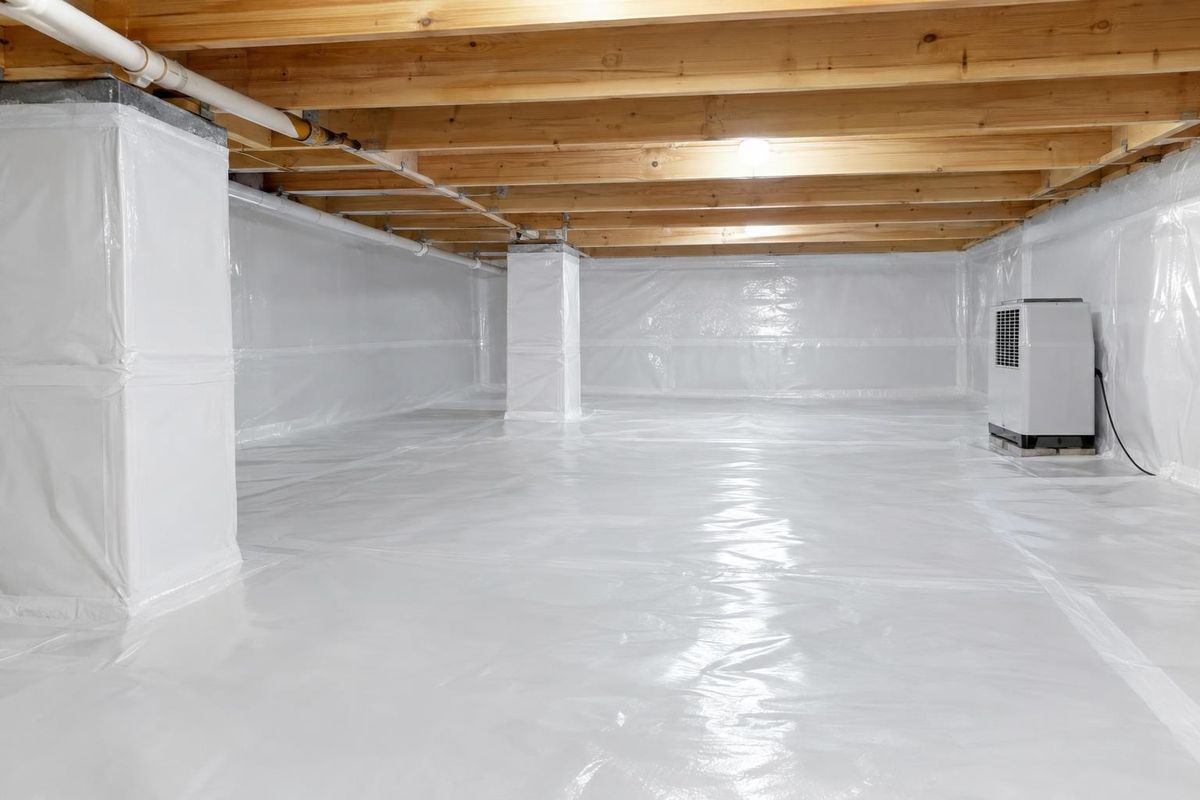
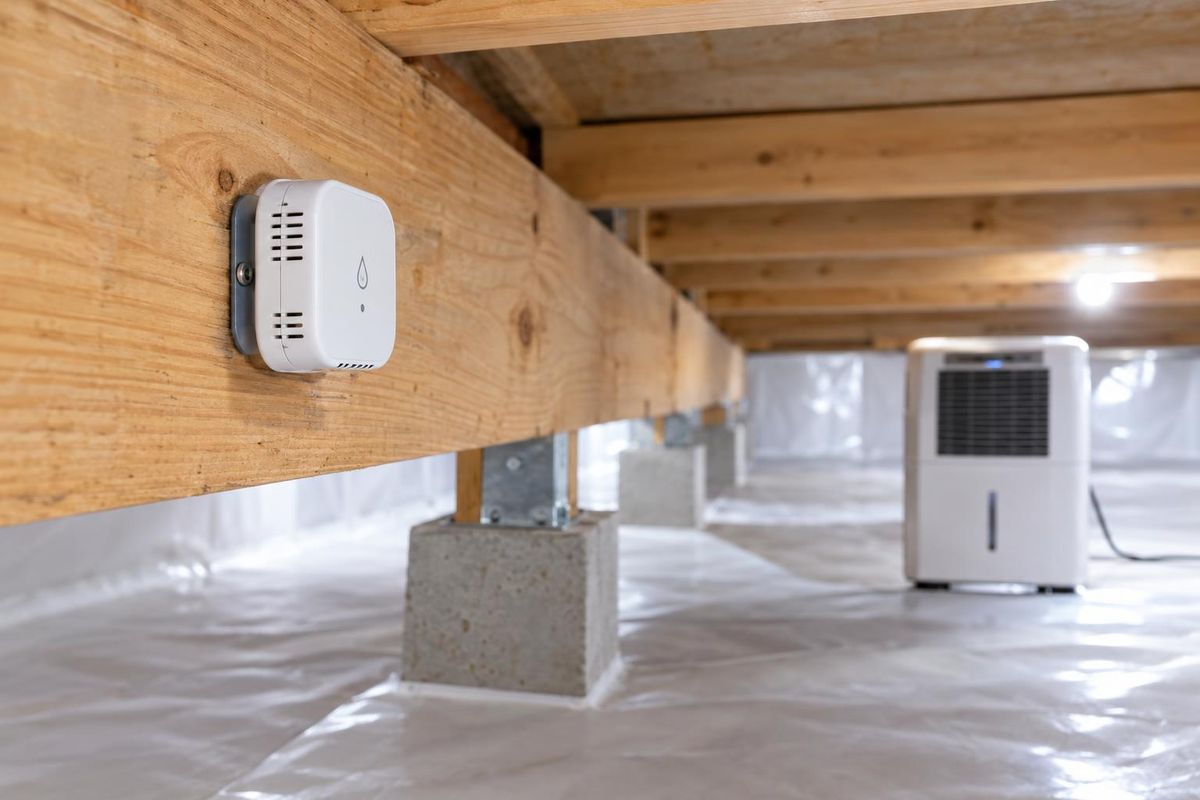
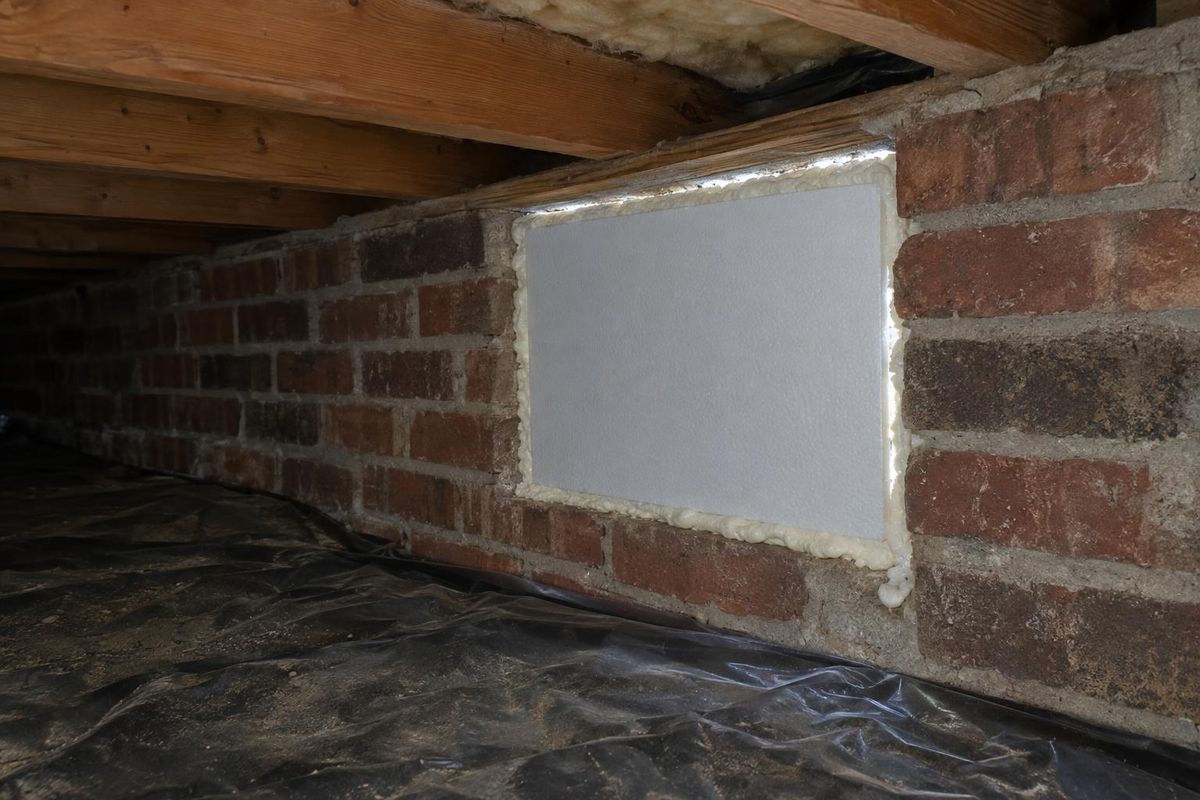
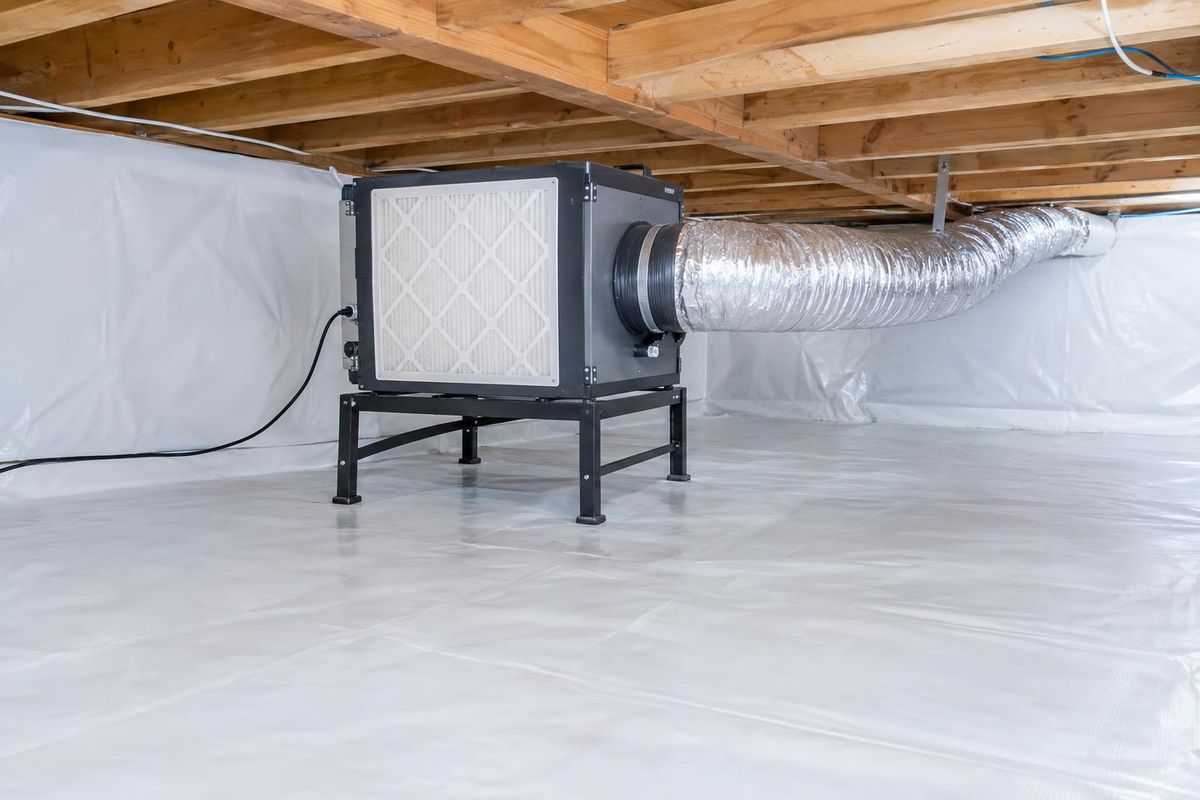
Closing gaps in the floor, sealing the crawl space and controlling humidity reduces how much air and moisture move upward. A clean, dry crawl space also gives mold and pests less to work with.
In Nashville and across Middle Tennessee, many owners notice less musty air after sealing their crawl space.
What to check
Look for odors that get worse in humid weather, rust or mold in the crawl space and drafts at floor level. Test for radon with a kit or a professional, because it cannot be smelled or seen.
A moisture reading and inspection tell you where to start.
Quick answers
Can a crawl space make me sick?
A damp, moldy crawl space can contribute to indoor air problems for some people. We recommend addressing it and consulting a doctor for health concerns.
Will air fresheners help?
They mask odors for a while but do not remove the source.
Should I run a dehumidifier in the house instead?
A household dehumidifier helps indoors but does not fix the crawl space. Treating the source works better.